Source rfid poker chip detection set for Home, Casino, and Events
Explore 30 options for the rfid poker chip detection set designed for home game rooms, casino facilities, and entertainment events. Buyers can compare specifications, materials, and pricing to find the right solution for their needs.
Key considerations
Products List







Comprehensive Sourcing Guide
Strategic Sourcing Guide for RFID Poker Chip Detection Sets
Procuring a high-performance RFID poker chip detection set requires a rigorous understanding of the intersection between physical gaming hardware and digital tracking systems. The market for these systems is defined by the need for precision in casino environments, home entertainment rooms, and professional card rooms. Buyers must navigate a landscape where physical attributes like material composition and chip dimensions are inextricably linked to the electronic capabilities of the detection system. This guide outlines the critical factors for sourcing these products, focusing on technical specifications, supplier verification, and quality assurance protocols based on current industry observations.
Technical Architecture and Chip Specifications
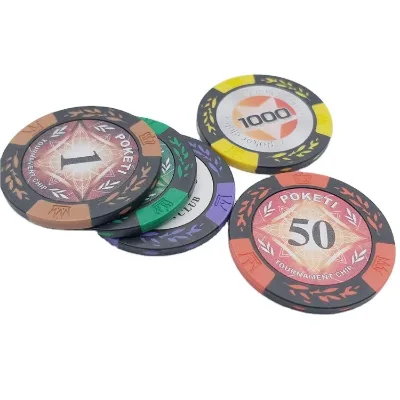
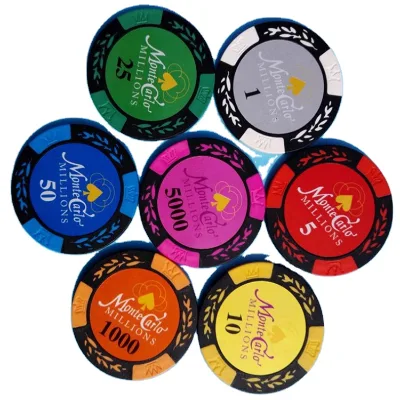
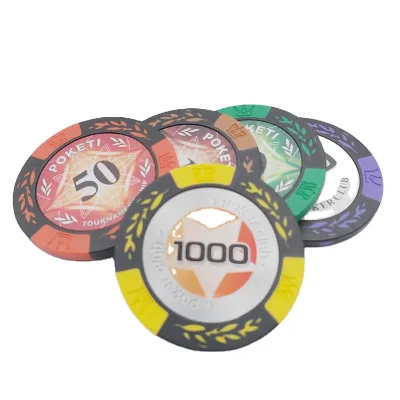
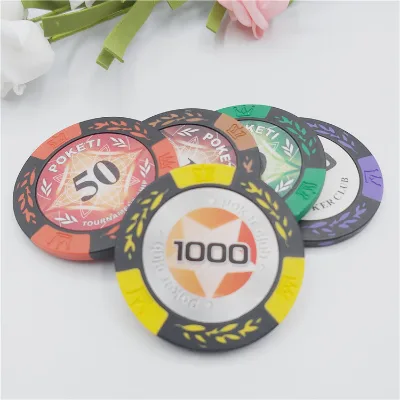
The core of any RFID poker chip detection set lies in the compatibility between the reader hardware and the embedded chips. The chips themselves are not merely decorative; they serve as the data carriers for the system. In the observed product catalog, the material composition varies significantly, with distinct offerings in both plastic and metal. Plastic chips, often associated with standard casino quality, provide a lightweight profile suitable for high-volume play, while metal variants offer durability and a distinct tactile feel that can influence player perception.
Dimensional consistency is a primary technical constraint. The supply chain data indicates a wide range of standard dimensions, including round formats at 45mm, 50mm, and 68mm, as well as rectangular profiles measuring 68x48mm, 81x56mm, and 94x66mm. Some specialized units adhere to specific standard profiles such as 158x75x28mm or 174x67.2x40mm, which likely correspond to specific table integration requirements or reader housing dimensions. When sourcing a detection set, buyers must verify that the RFID reader's antenna configuration aligns with these physical dimensions. A mismatch in chip size can lead to read failures or inconsistent data capture during gameplay.
Furthermore, the electronic specifications of the chips are critical. The presence of 1GB RAM in certain product listings suggests a high-capacity storage capability, potentially allowing for complex transaction logging or multi-layered security features. The operating frequency is another vital parameter; specific models are noted to operate at 13.56MHz, a standard high-frequency band that ensures reliable read ranges and data integrity. The "long read range" capability mentioned in product descriptions indicates that the system is designed to detect chips without requiring precise physical contact, a feature essential for fast-paced table games.
System Integration and Operational Modes
The operational mode of the poker chip detection set dictates its suitability for different environments. The observed market includes systems designed for manual operation, which implies a setup where human oversight is required to initiate or manage the detection process. This contrasts with fully automated systems often found in high-end casinos. For buyers targeting home or chess-and-card room applications, a manual operation mode may offer sufficient functionality while maintaining a lower cost of ownership.
The teaching mode and instruction availability are also significant factors. Products listing "Instructions" as a teaching mode suggest that the system is designed to be user-configurable, allowing operators to learn the nuances of the RFID technology without extensive external training. This is particularly relevant for smaller venues or private clubs where dedicated IT staff may not be available. The system must support the "Entertainment" usage category, ensuring that the interface and response times meet the expectations of players who value a seamless gaming experience.
Integration with existing table infrastructure is another consideration. The "Casino Quality" standard implies that the detection set must withstand high-traffic usage and maintain accuracy over long periods. The system's ability to handle multiple members simultaneously is also a key performance indicator. Data points indicate configurations for groups ranging from 4 to 10 members, with specific time allocations noted for sessions lasting between 0.5 to 2 hours or extending beyond 2 hours. Buyers should verify that the system's processing power can handle the concurrent data streams generated by a full table of players without latency.
Compliance, Certification, and Safety Standards
While specific certification bodies are not explicitly named in the provided product data, the emphasis on "Casino Quality" and "Advanced" difficulty levels suggests adherence to rigorous internal and external standards. In the context of RFID technology, compliance often involves electromagnetic compatibility (EMC) regulations to ensure the system does not interfere with other electronic devices. Buyers must verify that the supplier can provide documentation confirming that the 13.56MHz frequency operation complies with local radio frequency regulations in the target market.
Safety standards regarding the materials used in the chips are equally important. The distinction between plastic and metal construction carries different safety implications. Metal chips, while durable, may require specific handling protocols to prevent injury or damage to the reader hardware. Plastic chips, being lighter, generally pose fewer physical risks but must be evaluated for chemical safety, particularly if they are intended for use by minors or in environments with strict health codes. The "New" condition of the products ensures that no prior wear or degradation has compromised the integrity of the RFID tags or the casing.
Furthermore, the "Customized" nature of the products implies that buyers may need to navigate intellectual property and branding standards. If the system includes a customized logo or specific color schemes, the supplier must demonstrate the ability to maintain consistency with brand guidelines while ensuring that these customizations do not interfere with the RFID signal. The "Multi color" option and the ability to customize logos suggest a high degree of flexibility, but this flexibility must be balanced against the technical requirement for signal clarity.
Cost Drivers and Procurement Economics
The cost of an RFID poker chip detection set is influenced by several variables, including the complexity of the RFID technology, the material composition of the chips, and the level of customization required. The observed price range of 0.03 to 1750 USD reflects the vast difference between individual chip costs and complete detection system packages. Buyers must distinguish between the cost of the chips themselves and the cost of the reader hardware and software integration.
The Minimum Order Quantity (MOQ) is a significant economic factor, with observed ranges spanning from 1 to 10,000 units. For small-scale operations or pilot programs, an MOQ of 1 allows for low-risk testing of the technology. However, for larger deployments, negotiating an MOQ closer to the higher end of the range may yield better unit economics. The "Carton Package" and "Transparent Thermoplastic Film" packaging options suggest that logistics costs are factored into the pricing, and buyers should consider the volume of packaging required for their order size.
Customization is a major cost driver. The availability of "Customized" features, such as specific logos or color schemes, typically incurs additional setup fees and higher per-unit costs. Buyers should evaluate whether the branding benefits justify the increased expenditure. Additionally, the "Advanced" level of difficulty associated with some models may correlate with higher pricing due to the complexity of the underlying technology and the need for more sophisticated quality control measures.
Supplier Evaluation and Quality Assurance
Selecting a reliable supplier is paramount for ensuring the longevity and performance of the RFID poker chip detection set. The "Yangming" brand is observed in the product listings, indicating a specific manufacturer in the supply chain. However, buyers should not rely solely on brand recognition; a comprehensive evaluation of the supplier's capabilities is necessary. Key areas of assessment include the supplier's ability to meet the "Casino Quality" standard, their track record with similar products, and their capacity to handle custom orders.
Quality control processes should be a central part of the supplier evaluation. The "Easily Cleaned" feature of the chips suggests that the surface finish and material durability are important quality metrics. Buyers should request evidence of testing procedures that verify the chips' resistance to wear, tear, and cleaning agents. The "New" condition of the products is a baseline requirement, but buyers should also inquire about the supplier's defect rate and their policy for handling non-conforming goods.
The "Instruction" and "Teaching Mode" features highlight the importance of the supplier's support infrastructure. A capable supplier will provide comprehensive documentation and training resources to ensure that the buyer can effectively operate and maintain the system. This includes clear guidelines on how to integrate the system with existing tables and how to troubleshoot common issues. The supplier's location, noted as "China" in the data, may impact lead times and shipping costs, so buyers should factor these logistical elements into their overall procurement strategy.
Long-Term Procurement and Maintenance Considerations
Sourcing an RFID poker chip detection set is not a one-time transaction but an ongoing relationship that requires long-term planning. The "Time" attribute, noting usage durations of over 2 hours, indicates that the system is designed for extended operation. Buyers must consider the maintenance requirements of the system, including the lifespan of the RFID tags and the durability of the reader hardware. The "340g" weight specification for certain models suggests a robust build, but regular maintenance checks are still necessary to ensure consistent performance.
Scalability is another critical consideration. As a venue grows or changes its gaming offerings, the detection system must be able to adapt. The "Member" count of 4 to 10, and the "Age Range" of 14 years and up or "All Ages," suggest that the system is versatile but may have limitations in very large or very small group settings. Buyers should verify that the system can be expanded to accommodate more players or different chip types without requiring a complete overhaul of the infrastructure.
Finally, the "Customization" aspect offers a pathway for future-proofing the investment. As branding needs evolve or new game variants are introduced, the ability to customize the chips and the system interface becomes a valuable asset. Buyers should establish a clear communication channel with the supplier to discuss future customization needs and ensure that the supplier can support these changes efficiently. By focusing on these long-term considerations, buyers can secure a reliable and adaptable RFID poker chip detection set that meets their current and future operational needs.
FAQs
What materials are used for rfid poker chip detection sets?
The sets utilize both plastic and metal materials for chip construction. Plastic variants offer a lightweight profile suitable for high-volume play, while metal options provide enhanced durability and a distinct tactile feel for players.
Which dimensions are standard for the poker chips in these sets?
Standard dimensions include round formats of 45mm, 50mm, and 68mm, alongside rectangular profiles measuring 68x48mm, 81x56mm, and 94x66mm. Some specialized units also adhere to specific standard profiles like 158x75x28mm.
Can the chips be customized with logos and colors?
Yes, the chips support customization with multi-color options and customized logos. Buyers can request specific branding, though this flexibility must be balanced against technical requirements to ensure signal clarity remains intact.
How does the RFID system operate in manual mode?
The system supports manual operation modes where human oversight initiates or manages the detection process. This setup is suitable for home or chess-and-card room applications, offering functionality while maintaining a lower cost of ownership.
What is the operating frequency for the RFID technology?
Specific models operate at 13.56MHz, a standard high-frequency band ensuring reliable read ranges and data integrity. The long read range capability allows detection without requiring precise physical contact during fast-paced table games.
What is the minimum order quantity for these detection sets?
The observed minimum order quantity ranges from 1 to 10,000 units depending on the supplier and configuration. Small-scale operations can test technology with an MOQ of 1, while larger deployments may negotiate higher volumes.
Where are these products manufactured and what is the origin?
The products originate from China, which may impact lead times and shipping costs for international buyers. Buyers should factor these logistical elements into their overall procurement strategy when sourcing from this region.